Technology Consulting vs IT Support: What Does Your Business Need?
Technology Consulting vs IT Support: What Does Your Business Need?
Technology plays an important role in how modern businesses operate, communicate with customers, manage information, and compete in the marketplace. From maintaining computer systems to planning digital transformation, businesses depend on technology to improve efficiency and support long-term growth.
However, not every technology challenge requires the same solution. Some businesses need ongoing technical assistance to resolve system errors, maintain networks, and keep their software running. Others need expert guidance to choose the right technology, modernise existing systems, automate processes, or develop a long-term IT strategy.
This is where understanding the difference between technology consulting and IT support becomes important.
For businesses evaluating an Indian technology company, choosing the right service can help control costs, improve operational efficiency, and ensure technology investments align with business objectives. Companies searching for the best business development company in Konnagar may also need to understand how technology services can support their broader commercial growth.
In this guide, we explain technology consulting and IT support, compare their key differences, explore when each service is useful, and help you decide which approach is right for your business.
What Is Technology Consulting?
Technology consulting is a professional service that helps businesses make informed decisions about their technology infrastructure, software, systems, and digital strategy.
Instead of focusing only on fixing existing problems, technology consultants examine how a business operates and identify opportunities to improve performance through appropriate technology solutions.
Depending on the provider’s expertise, technology consulting may include:
- IT strategy and technology planning.
- Digital transformation consulting.
- Software and platform selection.
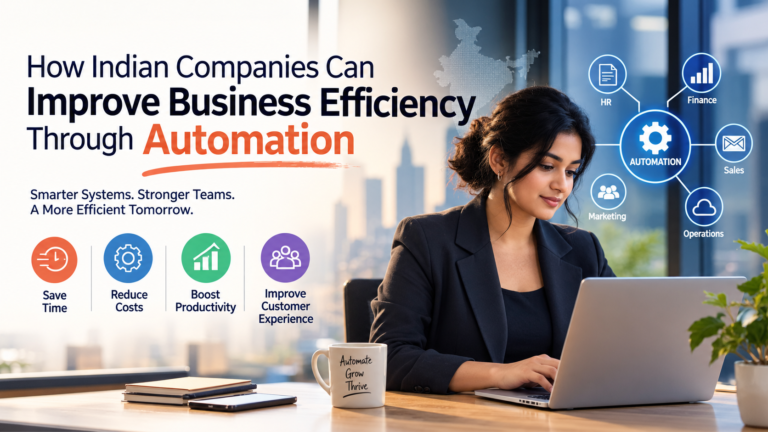
- Business process automation.
- System integration planning.
- Cloud migration strategy.
- Technology infrastructure assessment.
- Data management and reporting recommendations.
- Cybersecurity planning.
- Technology investment and implementation roadmaps.
For example, a growing company may rely on spreadsheets, disconnected software, and manual reporting. A technology consultant can assess these processes and recommend suitable systems to improve coordination, reduce repetitive work, and provide better visibility into business performance.
The purpose of technology consulting is to help businesses determine what technology they need, why they need it, and how to implement it effectively.
What Is IT Support?
IT support focuses on helping businesses maintain, troubleshoot, and operate their existing technology systems.
It is generally more concerned with day-to-day technical reliability than with developing an overall technology strategy.
Common IT support services include:
- Troubleshooting computer and software issues.
- Installing and updating applications.
- Resolving connectivity and network problems.
- Managing user accounts and access permissions.
- Maintaining computers and other IT equipment.
- Monitoring systems where the service includes monitoring.
- Assisting employees with technical questions.
- Supporting backups and recovery procedures.
- Diagnosing recurring system errors.
- Coordinating repairs and vendor support.
For example, if employees cannot access an essential business application or a network connection repeatedly fails, an IT support provider can investigate the issue and help restore normal operations.
The main objective is to keep systems functional, reduce disruption, and help employees work efficiently.
Technology Consulting vs IT Support: Key Differences
Although technology consulting and IT support can overlap, they serve different primary purposes.
| Comparison factor | Technology consulting | IT support |
|---|---|---|
| Primary objective | Improve technology decisions and business processes | Maintain and troubleshoot existing systems |
| Main focus | Planning, assessment, and improvement | Technical reliability and issue resolution |
| Typical activities | IT strategy, software selection, automation planning, digital transformation | Troubleshooting, updates, access management, network assistance |
| Time horizon | Often strategic and medium- to long-term | Ongoing or as-needed |
| Common starting point | A business goal, technology gap, or operational challenge | A technical problem or maintenance requirement |
| Expected output | Recommendations, roadmaps, system designs, or implementation plans | Resolved incidents, maintained systems, and technical assistance |
| Suitable for | Businesses planning changes or growth | Businesses needing dependable day-to-day IT operations |
Neither service is universally better. The right choice depends on the problem you are trying to solve.
A business with stable systems but inefficient workflows may benefit from consulting. A business with frequent computer problems may need IT support. Some organisations need both.
Why Businesses Need Technology Consulting
As businesses grow, their technology requirements can become more complicated. Systems that once worked adequately may no longer support higher transaction volumes, larger teams, or changing customer expectations.
Technology consulting helps organisations evaluate their options before making important investments.
1. Better Technology Planning
Businesses sometimes purchase software or equipment without assessing whether it fits their actual requirements.
A technology consultant can help define the problem, evaluate potential solutions, identify dependencies, and develop an implementation plan.
This reduces the risk of investing in technology that does not solve the underlying business challenge.
2. Improved Business Efficiency
Manual processes and disconnected applications can create unnecessary delays.
Consulting can identify opportunities to integrate systems, automate repetitive activities, improve data flow, and simplify workflows.
The right recommendations depend on the business’s processes, budget, existing infrastructure, and operational priorities.
3. Support for Digital Transformation
Digital transformation involves more than adopting new software. It may require changes to business processes, information management, employee workflows, and customer experiences.
A technology consultant can help prioritise these changes and create a practical roadmap based on business needs.
4. Smarter Technology Investments
Technology projects can involve development costs, subscriptions, integration expenses, training, maintenance, and security requirements.
Consulting can help businesses compare options and consider the total cost of ownership before committing to a solution.
5. Planning for Future Growth
A system that works for a small team may become difficult to manage as the business expands.
Technology consulting can help assess scalability, integration requirements, infrastructure limitations, and future operational needs.
The aim is to choose a solution that meets current requirements while allowing sensible future improvements.
Why Businesses Need IT Support
Even well-designed technology systems require maintenance and troubleshooting. Software updates, hardware failures, access issues, and network problems can affect productivity.
IT support helps businesses manage these everyday challenges.
1. Reduce Technical Downtime
When essential systems stop working, employees may be unable to complete tasks or serve customers.
IT support can investigate technical incidents, restore services where possible, and help reduce disruption.
2. Help Employees Work Efficiently
Employees may need assistance with applications, devices, accounts, connectivity, or software configuration.
Accessible technical support helps them resolve these issues and return to their work.
3. Maintain Existing Systems
Computers, applications, networks, and other IT assets need appropriate updates and maintenance.
Depending on the agreement, IT support can help maintain these systems, identify recurring issues, and coordinate technical fixes.
4. Support Basic Security Practices
IT support may help manage software updates, account permissions, endpoint protection, and backups.
However, not every IT support package includes comprehensive cybersecurity services. Businesses with sensitive data or more complex risks should confirm whether dedicated security expertise is required.
5. Provide Ongoing Technical Assistance
An ongoing support arrangement can give employees a defined process for reporting technical problems.
Before selecting a provider, businesses should clarify the available support hours, response expectations, escalation process, and services included in the agreement.
Technology Consulting vs IT Support: Which Is More Important?
The answer depends on your business’s current needs.
Technology consulting helps you make better decisions about your technology. IT support helps you keep your existing technology working.
Consider these examples:
Scenario 1: Your business experiences frequent computer and network problems.
IT support is likely to be the immediate priority. Once the systems are stable, you may want to investigate whether outdated equipment or infrastructure is causing recurring issues.
Scenario 2: Your team spends hours on repetitive administrative work.
Technology consulting may help identify appropriate automation opportunities, integration options, or workflow improvements.
Scenario 3: Your business is planning to introduce a new software platform.
Consulting can help evaluate requirements, compare solutions, plan migration, and identify implementation risks. IT support may then help employees use and maintain the new system.
Scenario 4: Your business is expanding to multiple locations.
You may need consulting to plan systems, connectivity, security, and software integration, alongside ongoing IT support to maintain day-to-day operations.
Scenario 5: Your existing systems work, but your business lacks a technology roadmap.
Technology consulting can help establish priorities, identify gaps, and create a practical plan for future investments.
The key is to identify whether your main challenge is a technical issue, a strategic decision, or a combination of both.
Can a Business Use Technology Consulting and IT Support Together?
Yes. Many businesses benefit from combining the two services.
Technology consulting can identify what needs to change, while IT support can help maintain the systems that employees use every day. Depending on the provider, consulting may also include implementation support, while an IT support team may identify opportunities for strategic improvements.
A combined approach can be particularly useful when a business is growing or modernising its operations.
For example, a company may engage a consultant to assess its current software, recommend a more suitable platform, and develop an implementation roadmap. An IT support team can then assist with device configuration, access management, troubleshooting, and ongoing maintenance.
When evaluating a combined service, confirm that responsibilities are clearly defined. Some providers specialise in consulting, some focus on support, and others offer both.
How to Choose the Right Indian Technology Company
Choosing a suitable provider requires more than comparing a list of services. You need to understand its capabilities, working process, and ability to address your specific business requirements.
1. Define Your Business Problem
Before contacting a provider, identify the main issue you want to resolve.
Are employees experiencing recurring technical problems? Are your systems disconnected? Do you need to automate workflows? Are you planning to replace outdated software?
A clearly defined problem makes it easier to determine which services you need.
2. Check Relevant Expertise
Look for experience that matches your requirements.
A provider specialising in help-desk services may be suitable for day-to-day technical support but may not offer the strategic expertise required for a complex digital transformation project.
Similarly, a technology consultant may provide strategic recommendations without including ongoing system maintenance.
Ask about relevant projects, technical capabilities, and the responsibilities covered by the proposed service.
3. Understand the Scope of Services
Request a written proposal that explains the work included.
For technology consulting, this may include assessments, recommendations, roadmaps, system designs, or implementation assistance.
For IT support, it may include troubleshooting, routine maintenance, monitoring, user assistance, or defined response arrangements.
Clarify what is excluded and how additional work will be charged.
4. Evaluate Communication
Technical information should be explained in a way that helps you make informed decisions.
A reliable provider should discuss risks, limitations, costs, and alternatives clearly. It should also explain how progress will be communicated and how urgent issues will be escalated.
5. Review Security and Data Responsibilities
Discuss how the provider will access systems, handle sensitive information, manage permissions, and protect business data.
Confirm who is responsible for backups, incident response, updates, and security-related work.
The contract should define access controls, confidentiality obligations, and the process for ending the engagement.
6. Compare Total Cost and Value
The cheapest service may not include everything your business needs.
Compare pricing alongside the scope, technical expertise, response arrangements, implementation responsibilities, and ongoing support.
For consulting projects, clarify the expected deliverables and whether implementation is included. For IT support, check whether the agreement covers the systems, users, and working hours your business requires.
7. Look for Clear Performance Measures
Technology consulting projects should have defined objectives and deliverables. IT support arrangements should clarify how incidents are handled and what service levels, if any, are agreed upon.
Depending on the service, useful indicators may include project milestone completion, reduced downtime, issue-resolution times, system availability, or improvements in workflow efficiency.
Clear measures help you evaluate whether the service is meeting expectations.
Technology Consulting and IT Support for Small Businesses
Small businesses often operate with limited budgets and small internal teams. They may not need a full-time technology department, but they still need reliable systems and sound technology decisions.
The right service depends on the business’s current situation.
A small business with stable systems but inefficient processes may benefit from a focused consulting project. A business that regularly experiences device, network, or software issues may need ongoing IT support.
A business preparing for expansion may need a combination of both.
A practical approach is to:
- Identify the most costly or disruptive technology problem.
- Decide whether the problem requires strategic advice, technical assistance, or both.
- Establish a realistic budget and expected outcome.
- Compare providers based on relevant expertise and clearly defined deliverables.
- Review results and reassess your needs as the business grows.
Starting with a focused requirement can help you avoid unnecessary spending while creating a path for future improvements.
How Technology Services Support Business Development
Technology and business development are closely connected, but they have different roles.
Business development focuses on identifying growth opportunities, building relationships, developing partnerships, and improving commercial performance. Technology services can support these activities through better systems, data management, automation, customer relationship management, and reporting.
For example, a business may use a customer relationship management system to organise enquiries and track follow-ups. Automation may help reduce repetitive administrative work, while analytics can provide clearer information about sales performance.
However, technology alone does not guarantee business growth. Results also depend on the quality of the strategy, the suitability of the solution, employee adoption, and execution.
Businesses searching for the best business development company in Konnagar should first clarify whether they need sales strategy, market expansion, partnership development, digital marketing, technology consulting, or ongoing IT support.
These services may complement one another, but they should not be treated as interchangeable.
Finding the Right Technology Partner in Konnagar
Businesses in Konnagar and the wider Hooghly region may have different technology requirements depending on their industry, team size, and growth plans.
Some may need help maintaining existing systems, while others may require software integration, workflow automation, website improvements, or guidance on long-term technology investments.
When evaluating a local or regional provider, look for:
- Clearly defined services and deliverables.
- Relevant technical experience.
- Transparent pricing and contract terms.
- Practical recommendations based on your needs.
- Clear communication and reporting.
- Appropriate data protection practices.
- Support arrangements that match your operations.
If you are searching for the best business development company in Konnagar, check the provider’s actual service offerings and evidence of relevant expertise. A company’s location can make communication convenient, but its ability to meet your requirements should remain the main consideration.
Choose a partner that understands the business problem, explains the available options, and provides a realistic plan for delivering value.
Conclusion: Choose the Service That Solves Your Business Problem
Technology consulting and IT support play different but complementary roles in business operations.
Technology consulting helps organisations assess their needs, make informed technology decisions, plan improvements, and align digital investments with business objectives. IT support helps maintain existing systems, troubleshoot issues, and reduce everyday technical disruption.
If your business needs a strategic roadmap, automation planning, software selection, or digital transformation, technology consulting may be the right starting point. If your priority is resolving technical problems and maintaining reliable systems, IT support may be more suitable. If you are growing or modernising your operations, a combination of both may offer the most practical approach.
When evaluating an Indian technology company, define your requirements, assess relevant expertise, compare written proposals, and confirm how success will be measured.
Likewise, if you are researching the best business development company in Konnagar, identify the exact services your business needs and evaluate providers against those requirements.
The right technology partner is not simply the one that offers the most services. It is the one that understands your challenges and helps you choose practical, sustainable solutions.
Frequently Asked Questions
1. What is the difference between technology consulting and IT support?
Technology consulting focuses on technology planning, business requirements, and strategic improvements. IT support focuses on troubleshooting, maintaining systems, and resolving day-to-day technical issues.
2. Does a small business need technology consulting?
A small business may benefit from technology consulting when it needs to select new software, improve workflows, plan automation, integrate systems, or develop a technology roadmap. The need depends on its business objectives and current challenges.
3. When should a business hire an IT support provider?
A business may need IT support when employees regularly experience computer, software, network, access, or other technical problems. Support can also help maintain systems and manage routine technical tasks, depending on the agreement.
4. Can one company provide both technology consulting and IT support?
Yes. Some providers offer both services, while others specialise in one area. Confirm the provider’s expertise, service scope, and responsibilities before signing an agreement.
5. How do I choose the right Indian technology company?
Identify your business requirements, review relevant expertise, compare written proposals, check security practices, understand pricing, and confirm support arrangements. Choose a provider whose capabilities match the problem you need to solve.
6. How much does technology consulting cost in India?
Costs depend on project complexity, required expertise, assessment scope, implementation requirements, and engagement duration. Request a written proposal that defines deliverables, timelines, exclusions, and additional costs.
7. Is IT support the same as cybersecurity?
No. IT support may include routine security-related tasks, such as software updates and access management, but comprehensive cybersecurity can require specialised services. Confirm exactly which security activities are included.
8. How can technology consulting improve business efficiency?
Consulting can identify inefficient processes, disconnected systems, and opportunities for automation or integration. The resulting benefits depend on the suitability of the recommendations and how effectively they are implemented.
9. How do I find the best business development company in Konnagar?
Define whether you need market research, sales support, partnerships, digital marketing, or technology-related services. Compare providers based on relevant experience, service scope, transparent pricing, communication, and measurable deliverables.
10. Can technology services help a business grow?
Technology services can support growth by improving operational efficiency, customer management, reporting, and digital capabilities. Business outcomes also depend on strategy, execution, market conditions, and customer demand.