
Role of ERP in HRM and Why it is Important
Discover the role of ERP in HRM and why it’s essential for efficient HR management, automation, and workforce growth in modern businesses. In today’s fast-paced business environment, managing human resources efficiently is critical for organizational success. Moreover, Enterprise Resource Planning (ERP) systems play a vital role in streamlining HR processes, automating tasks, and providing real-time insights. In this blog, we will explore the role of ERP in Human Resource Management (HRM) and why it is important for businesses of all sizes.
Additionally, we will discuss the benefits and practical applications of ERP in HRM to help organizations make informed decisions.
What is ERP in HRM?
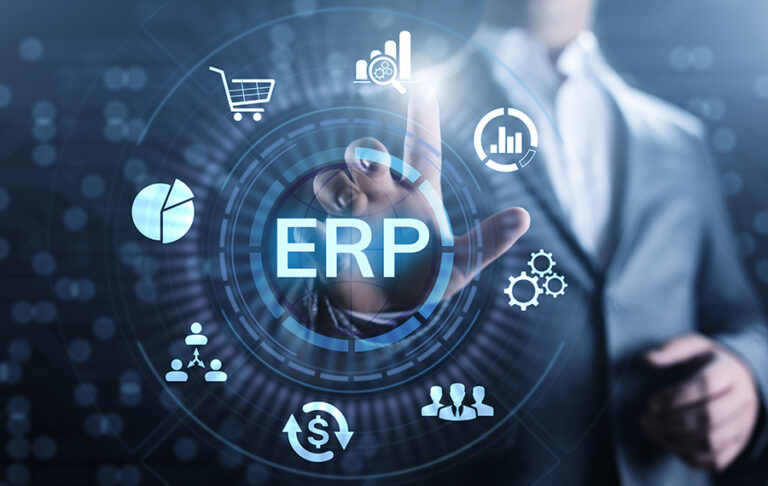
ERP in HRM refers to the integration of human resource functions into an ERP system. Consequently, HR departments can manage employee data, payroll, recruitment, performance, training, and other HR processes from a single platform.
Furthermore, by using HR management software integrated with ERP, businesses can eliminate manual processes, reduce errors, and significantly improve overall efficiency. In other words, ERP acts as a central hub for HR operations, connecting various functions seamlessly.
Key Roles of ERP in HRM
1. Streamlined Employee Data Management
ERP systems centralize employee information, including personal details, job history, and performance records. As a result, HR teams benefit from:
-
Quick access to accurate data
-
Reduced paperwork
-
Efficient onboarding and offboarding
Therefore, administrative tasks become faster, and employees can focus more on strategic initiatives. In addition, centralized data allows managers to make informed decisions quickly.
2. Automated Payroll and Benefits Management
Managing payroll manually can be time-consuming and error-prone. In addition, ERP automates payroll, tax calculations, and benefits management, ensuring:
-
Timely salary disbursement
-
Compliance with labor laws
-
Accurate reporting
Moreover, automation reduces human errors, increases employee satisfaction, and minimizes delays. Consequently, HR teams can devote more time to employee engagement and development.
3. Efficient Recruitment and Onboarding
ERP software helps HR teams manage the entire recruitment process, from posting job openings to onboarding new hires. Meanwhile, features such as:
-
Applicant tracking
-
Interview scheduling
-
Automated onboarding workflows
In addition, these tools streamline recruitment, ensuring that the hiring process is faster, smoother, and more organized. As a result, businesses can attract the right talent while improving the candidate experience.
4. Performance Management and Employee Development
With ERP in HRM, businesses can track employee performance, set goals, and plan training programs. Consequently, this supports:
-
Employee growth and development
-
Regular performance appraisals
-
Data-driven decision-making
Furthermore, it allows HR managers to align employee performance with organizational objectives. In other words, ERP helps convert workforce data into actionable insights for better planning.
5. Time and Attendance Tracking
ERP systems integrate time and attendance modules, helping HR teams:
-
Monitor work hours
-
Manage leave requests
-
Reduce payroll discrepancies
Therefore, organizations can maintain accurate records, minimize conflicts, and ensure payroll accuracy. Additionally, tracking employee hours can help identify productivity trends and optimize workforce scheduling.
6. Enhanced Reporting and Analytics
ERP provides real-time insights through dashboards and reports, enabling HR managers to:
-
Track workforce trends
-
Identify skill gaps
-
Make informed strategic decisions
Moreover, advanced analytics helps HR departments forecast future workforce needs and plan for organizational growth. In addition, it improves transparency and accountability across teams.
Why ERP in HRM is Important
-
Improves Efficiency – Automates repetitive HR tasks, saving time and reducing errors.
-
Enhances Decision-Making – Provides real-time data for strategic workforce planning.
-
Ensures Compliance – Helps meet legal requirements and labor regulations.
-
Boosts Employee Satisfaction – Faster processing of payroll, leave, and benefits increases employee satisfaction.
-
Supports Growth – Scalable ERP systems grow with your business and adapt to evolving HR needs.
As a result, ERP in HRM becomes a cornerstone for efficient and effective HR management. Additionally, it empowers HR teams to focus on more strategic, high-value activities rather than mundane administrative tasks.
Common Benefits of Using ERP in HRM
-
Reduced administrative workload for HR teams
-
Better workforce management and planning
-
Improved accuracy and data security
-
Streamlined communication and collaboration
-
Higher employee engagement and productivity
In addition, these benefits collectively help organizations save time, reduce costs, and enhance HR operations. Consequently, businesses can foster a more productive and satisfied workforce.
Conclusion
Integrating ERP in HRM is no longer a luxury; it is a necessity for modern businesses. From streamlining administrative tasks to enhancing strategic decision-making, ERP systems empower HR departments to work more efficiently and effectively. Therefore, by adopting HR software integrated with ERP, organizations can save time, reduce errors, and create a more productive and satisfied workforce. In summary, ERP in HRM not only simplifies HR management but also contributes to overall organizational growth.
Stay updated by connecting with us on Facebook and exploring our website for the latest news and insights.
Email Id – info@indiantechco.com



17 Comments
Comments are closed.